


Navigating challenges, embracing small wins, and building the mindset to grow something meaningful.
A reflection on our startup journey at Nursetech—sharing the lessons, challenges, and mindset shifts...
Learn More


We are a nurse-led healthcare organization dedicated to bridging the gap in medical skills, providing professional home care, and fostering wellness across Nepal through ethical and clinical excellence.



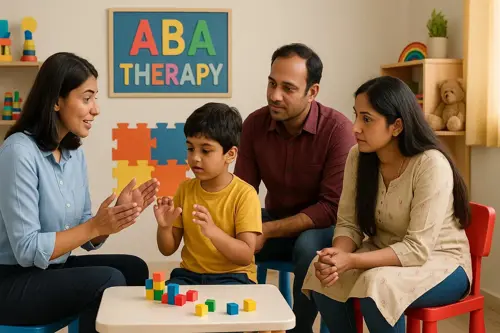
The management of Autism Spectrum Disorder (ASD) in Nepal has historically been dominated by a clinical-centric model that prioritizes isolated therapeutic interventions over the broader environmental and systemic needs of the individual. This prioritization often leads to a "therapy trap," where parents and caregivers view the one or two hours of weekly professional intervention as the sole engine of progress. However, a comprehensive analysis of the neurodevelopmental landscape in Nepal indicates that clinical therapy, while essential, represents only a fraction of a child’s developmental time. For a child receiving five hours of professional therapy per week, approximately 97 percent of their waking life is spent outside the clinic, primarily within the home environment under the care of family members or informal caregivers.
To address this discrepancy, the "Autism Life Support System" (ALSS) is proposed as a foundational framework for the Nursetech Skills Center’s caregiver training program. This system shifts the focus from "fixing" the child during clinical sessions to "sustaining" the child through a 24-hour ecological support structure. This report examines the biological, sensory, communicative, and psychosocial pillars of the ALSS, tailored specifically to the cultural, economic, and systemic realities of Nepal.
The Clinical Fallacy and the 23-Hour Rule
In major urban centers like Kathmandu and Lalitpur, the demand for autism services has surged, driven by increased awareness and professional screening. Organizations such as Kafal Care and the Centre for Autism Nepal have documented a high volume of families seeking behavioral therapy, occupational therapy (OT), and speech-language pathology (SLP). However, research into parental perceptions in Nepal reveals a significant gap between therapeutic expectations and the lived reality of caregiving. Many parents perceive therapy as a medical "cure" rather than a tool for skill acquisition, leading to frustration when progress is slow or non-linear.
The "23-Hour Rule" serves as a critical heuristic for caregivers: what happens in the 23 hours outside of a one-hour therapy session determines whether the skills learned in that session are reinforced or extinguished. In Nepal, where clinical services are often expensive—reaching up to 25,000 NPR per month—the financial burden of relying solely on professional therapy is unsustainable for many families. Consequently, the caregiver’s role must be elevated from a passive observer to a primary architect of the child’s environment.
Comparison Factor | Isolated Clinical Therapy | Autism Life Support System (ALSS) |
Primary Goal | Specific skill acquisition (e.g., pointing, naming) | Environmental stability and functional independence |
Duration | 1–5 hours per week | 24 hours per day, 7 days per week |
Agent of Change | Licensed therapist | Caregivers, family, and nursing oversight |
Setting | Controlled clinical environment | Natural home, school, and community settings |
Sustainability | High cost, dependent on professional availability | Integrated into daily routines and local resources |
Key Outcome | Discrete clinical milestones | Reduced family stress and improved quality of life |
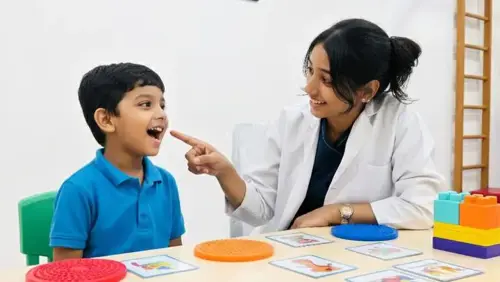
The ALSS does not seek to replace therapy but rather to provide the "clinical weight" necessary for therapy to succeed. Without a regulated home environment, a child may arrive at therapy in a state of sensory dysregulation or sleep deprivation, rendering the session ineffective. Thus, the ALSS acts as a physiological and psychological stabilizer.
The Biological Pillar: Homeostatic Regulation in the Nepalese Home
The biological foundation of the ALSS focuses on three core areas: sleep hygiene, nutritional regulation, and physical health monitoring. In Nepal, children with ASD often face significant challenges in these areas, which are frequently dismissed as "behavioral" rather than physiological.

Sleep Hygiene and Joint-Family Dynamics
Sleep deprivation is a profound challenge for Nepalese caregivers, with reports of children staying awake throughout the night, leading to daytime exhaustion for the entire household. The cultural context of multigenerational living in Nepal often means that quiet, dark environments are difficult to maintain. The ALSS implements a rigorous sleep hygiene protocol that accounts for these living conditions. This includes the use of sensory-friendly bedding materials like flannel or heavy cotton blankets, which are widely available in local markets and provide the proprioceptive "deep pressure" many children need to feel secure.
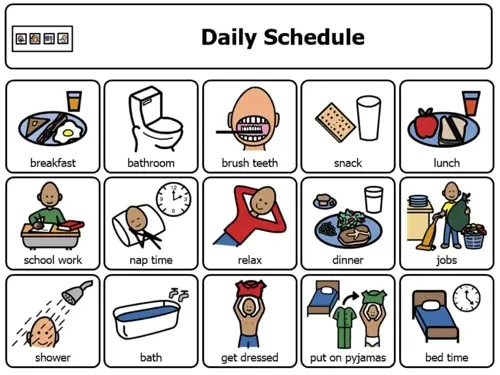
Furthermore, establishing a consistent sequence of activities—such as a warm bath, changing into specific pajamas, and a brief "goodnight" phrase—signals the brain to transition into sleep mode. In urban Kathmandu, where noise pollution is high, the ALSS recommends the use of white noise or rhythmic bhajans at a low, consistent volume to mask unpredictable environmental sounds.
Nutritional Management and Sensory Food Chaining
Feeding a child with autism in Nepal presents unique challenges, particularly regarding the sensory properties of traditional staples like Daal Bhaat Tarkari. Sensory sensitivities to the texture of boiled rice, the smell of specific spices, or the temperature of the food can lead to highly restricted diets. The ALSS utilizes a "food chaining" approach, where new foods are introduced based on their sensory similarity to currently accepted foods.
For example, if a child accepts dry, crunchy chiura (beaten rice), the caregiver might gradually introduce other dry textures before moving to moist ones. The involvement of the child in the meal preparation process—such as sorting lentils or washing vegetables—can also reduce "food neophobia" by familiarizing the child with the sensory properties of the food before it reaches the plate.
Biological Support Area | Specific Nepalese Challenge | ALSS Strategy |
Sleep | Noise and crowded living conditions | Use of heavy blankets and consistent auditory masking |
Nutrition | Sensory aversion to Daal Bhaat textures | Gradual sensory food chaining and kitchen involvement |
Hygiene | Resistance to teeth brushing/bathing | Visual schedules and flavored or vibrating tools |
Health | Limited access to specialized pediatricians | Nurse-led monitoring and home health checkups |
The Sensory Pillar: Environmental Engineering with Local Resources
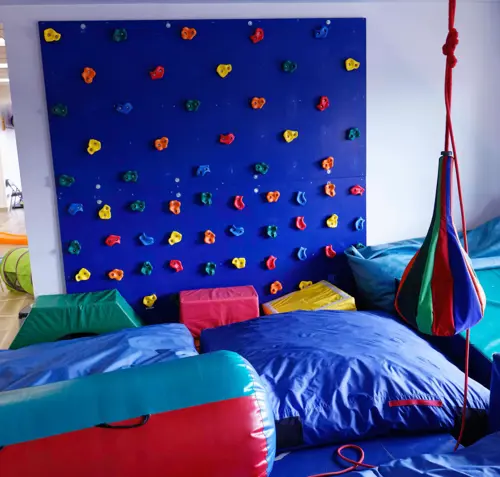
Sensory processing differences—including hypersensitivity to sound and light or hyposensitivity to touch and movement—are a hallmark of autism that deeply impacts daily functioning in Nepal. The ALSS replaces the need for expensive "sensory gyms" with a "Sensory Diet" utilizing everyday Nepalese household items.
Proprioceptive "Heavy Work" as a Stabilizer
Children who are "sensory seekers" often display behaviors like running, jumping, or crashing into furniture. In the ALSS framework, these are redirected into "heavy work" activities that provide organizing input to the muscles and joints. In a Nepalese household, this can include:
Household Chores: Pushing a laundry basket filled with clothes or books, carrying small bags of rice, or helping to sweep the floor.
Resistance Play: Engaging in a tug-of-war using a pachauri (shawl) or a towel, or performing "wall pushes" where the child tries to "move" the wall.
Weighted Items: Creating a DIY weighted lap pad by filling a large sock with rice or dried beans.
Tactile Regulation and Messy Play
The tactile system can be regulated through sensory bins that utilize common kitchen staples. Hiding coins or small plastic animals in a tub of dry rice or masoor daal creates a "treasure hunt" that encourages exploration and fine motor development. For children who are tactile-defensive, starting with dry, smooth textures like polished stones or dry pasta is recommended before moving to "messier" inputs like dough made from wheat flour (aata).
Vestibular Input for Calm and Alertness
The vestibular system, which governs balance and movement, can be addressed through simple environmental modifications. A traditional hammock or a sturdy cloth swing hung in a doorway can provide the rhythmic, linear swinging that is often calming for an overstimulated child. Conversely, for a child who is under-responsive, "animal walks"—such as moving like a crab or a bear—provide the necessary movement and postural challenge to increase alertness.
The Communication Pillar: Total Communication and Visual Clarity
A central frustration for many Nepalese parents is the delay or absence of verbal speech. However, the ALSS posits that behavior is communication. When a child "drops to the floor" or "runs away," they are often expressing an unmet sensory or communicative need. The system advocates for "Total Communication," which utilizes all available modalities to reduce frustration.
Visual Schedules: Making the Invisible Visible
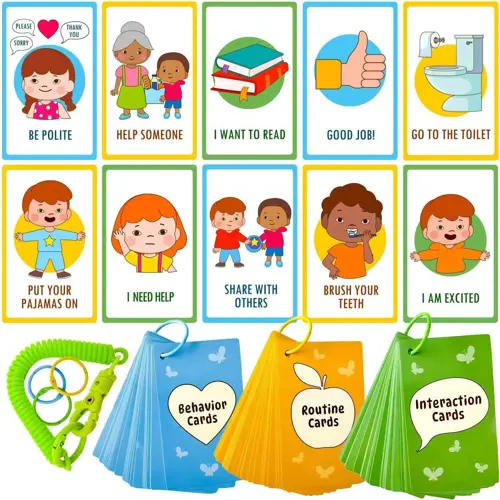
Spoken language is transient; it "vanishes as soon as it's said". For a child with autism, processing a multi-step verbal instruction like "Go wash your hands, then come eat your bhaat" can be overwhelming. Visual schedules translate these instructions into a permanent, predictable format.
In a Nepalese context, these schedules should be individualized to the child's level of comprehension—using real photographs of the child’s actual bathroom and dining table, rather than generic icons. A "First/Then" board is a powerful tool for transitions: "First Brushing, Then Playing." This simple visual contingency builds trust and reduces the anxiety associated with the unknown.
Communication Tool | Implementation in Nepal | Primary Benefit |
PECS | Using cards for local foods/activities | Teaches initiation of communication |
Visual Schedule | Photos of daily routines (Puja, Meals, School) | Reduces transition-related anxiety |
Choice Boards | Offering a choice between two snacks or toys | Empowers the child and reduces frustration |
Low-Tech AAC | Programmable buttons with Nepali voice output | Provides a "voice" for basic needs |
The Role of AAC in the Nepalese Digital Landscape
While high-tech Augmentative and Alternative Communication (AAC) apps are widely used in the West, their adoption in Nepal is hindered by cost and language barriers. However, low-tech options like PECS (Picture Exchange Communication System) are highly effective and can be implemented with minimal resources. For older children and adults, simple programmable devices like the "Talk1" allow caregivers to record essential instructions in Nepali, such as "I need a break" or "I am hungry," providing a portable means of expression.
The Psychosocial Pillar: Addressing Caregiver Burden and "Ijjat"
The most critical component of the ALSS is the health and resilience of the caregiver. Research in Nepal shows that 47.5% of caregivers experience "moderate to severe" burden, with mothers being the most affected. This burden is not only psychological but also social and economic.
Navigating Social Stigma and Reputation
The concept of "ijjat" (social reputation) often leads families in Nepal to isolate themselves, avoiding social gatherings or festivals to prevent public embarrassment. This isolation prevents the child from developing community-based social skills and denies the parents a vital support network. The ALSS incorporates "Parent Network Groups" (PNGs) to foster a sense of community and shared experience, effectively reducing the "chronic sorrow" and stigma associated with autism.
Economic and Career Impact
The management of autism in Nepal often requires one parent—typically the mother—to quit their job to provide 24-hour care, leading to a significant loss of family income. This "economic crisis" is a major contributor to family stress. The ALSS advocates for a more professionalized approach to caregiving, where family members are trained through structured programs like the CTEVT-affiliated course at Nursetech Skills Center. This training not only improves the quality of care but also empowers caregivers with skills that could eventually lead to employment as professional paraprofessionals.
Burden Type | Impact on Nepalese Caregivers | ALSS Mitigation Strategy |
Emotional | Guilt, regret, and "chronic sorrow" | Counseling and peer support networks |
Physical | Fatigue and sleep deprivation | Professionalized caregiver training and respite |
Social | Isolation and avoidance of social events | Community awareness and inclusive advocacy |
Financial | High costs of therapy and job loss | Reducing therapy dependence through home skills |
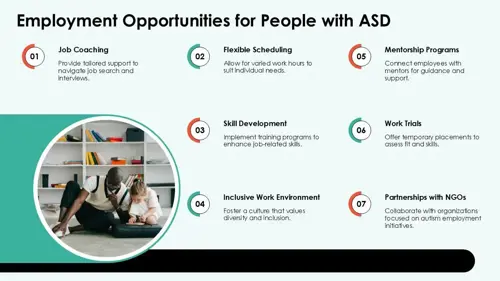
The Educational and Vocational Pillar: Life Skills for Independence
Education for children with autism in Nepal is currently in a state of transition. While the government has ratified policies for inclusive education, the practical implementation in regular classrooms remains challenging due to a lack of disability-friendly infrastructure and untrained teachers.
The Gap in Inclusive Schooling
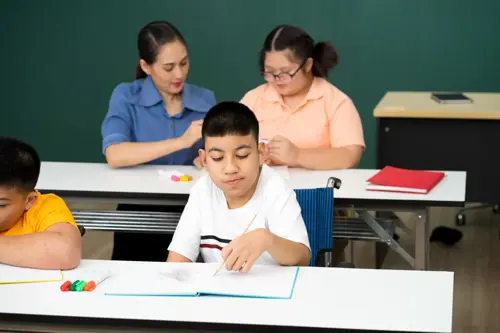
Most regular teachers in Nepal are still guided by conventional, teacher-centered lecture methods, which are often ineffective for children with ASD who require visual and experiential learning. Furthermore, there is a critical shortage of "shadow teachers" or assistant teachers who can provide the individualized support necessary for a child to thrive in a mainstream setting. The ALSS promotes a "collaborative model" where therapists and trained caregivers work directly with schools to create Individualized Education Programs (IEPs) and sensory-friendly classroom environments.
Vocational Training: The Path to Dignity
As children with autism transition into adulthood, the ALSS shifts its focus toward vocational independence. The Aakaar Vocational Unit (AVU) in Nepal serves as a prime example of this transition, where young adults are trained in skills that align with their interests and the local market.
Traditional Crafts: Training in looming, sewing, and making Nepali handmade paper products.
Life Skills: Practical instruction in grocery shopping, cooking, and household chores.
Work Ethics: Learning to work with minimal supervision and adhering to a professional schedule.
These programs are essential because work provides a "sense of self-worth" and "dignity," preventing the social withdrawal that often occurs after a student finishes school.
Implementing the ALSS: The Nursetech Training Framework
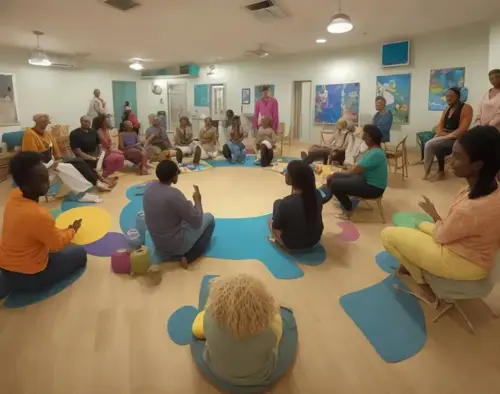
The Nursetech Skills Center is uniquely positioned to bridge the gap between "informal parenting" and "professional caregiving." By offering a nurse-led, clinical training environment in Maharajgunj and Budhanilkantha, the center provides the "clinical integrity" needed for effective autism support.
Competency-Based Caregiver Training
The ALSS framework within the Nursetech curriculum focuses on tangible, hands-on skills:
Medical Oversight: Training caregivers to monitor basic health metrics and recognize signs of common comorbid conditions like epilepsy or GI distress.
Behavioral Safety: Implementing evidence-based strategies for de-escalating challenging behaviors without the use of punitive measures.
Environmental Adaptation: Teaching caregivers how to conduct a "sensory audit" of their own homes and modify them using local resources.
Advocacy and Coordination: Equipping caregivers with the skills to communicate effectively with doctors, therapists, and school administrators, ensuring a "coordinated, professional approach" to the child’s care.
The Future of Autism Care in Nepal
The shift from a "Therapy Only" mindset to an "Autism Life Support System" represents a necessary evolution in Nepal’s neurodevelopmental care landscape. By recognizing the home as the primary site of development and the caregiver as the primary agent of change, we can build a system that is culturally relevant, economically sustainable, and clinically effective.
Evidence from caregiver-led intervention research in the region (such as the Social ABCs or PACT models) confirms that when parents are trained in specific communication and behavioral strategies, the outcomes for children are comparable to, and often more sustained than, professional-only interventions. The high retention rates (over 85%) in these parent-mediated programs underscore their acceptability in the South Asian context.
The Autism Life Support System, delivered through professionalized training at the Nursetech Skills Center, offers a clear and practical pathway for Nepalese families. It empowers them to move beyond the "shock and grief" of diagnosis into a state of active, competent empowerment. By weaving sensory diet, visual clarity, biological regulation, and caregiver self-care into the fabric of daily life, we ensure that every child with autism in Nepal has the opportunity to lead a "fulfilling, independent, and dignified life".

Nepal’s premier nurse-led center for professional healthcare training, supervised home nursing, and comprehensive corporate wellness solutions.
Copyright ©Nurse Tech Skills. Powered by onetech®

