


Navigating challenges, embracing small wins, and building the mindset to grow something meaningful.
A reflection on our startup journey at Nursetech—sharing the lessons, challenges, and mindset shifts...
Learn More


We are a nurse-led healthcare organization dedicated to bridging the gap in medical skills, providing professional home care, and fostering wellness across Nepal through ethical and clinical excellence.


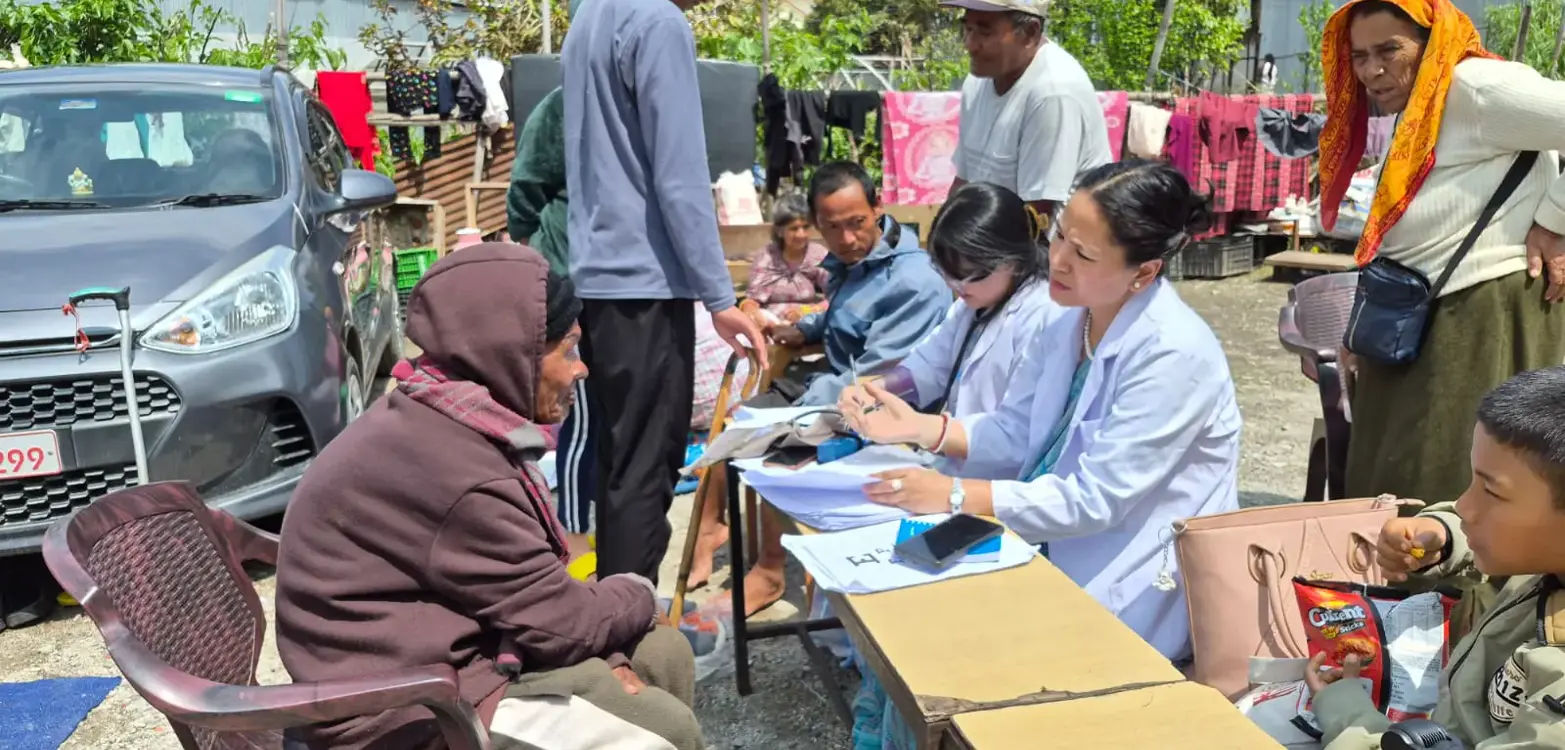
The healthcare infrastructure of Nepal is currently positioned at a critical juncture, defined by a growing disparity between the escalating complexity of patient needs and the qualitative preparedness of the nursing workforce. While the country has seen a significant proliferation of private nursing colleges and technical institutions since the early 1990s, the focus has historically skewed toward quantitative output—producing a high volume of graduates to meet both domestic and international demand—rather than the cultivation of advanced, hands-on clinical mastery. In this context, the establishment and early operational success of the Nurse Tech Skills Center (NTSC) in Maharajgunj, Kathmandu, represents a pivotal shift in the vocational training paradigm. Having secured its physical facility and completed its initial two-month stabilization phase, the organization has begun to address deep-seated systemic gaps in the clinical learning environment (CLE) through a specialized, nurse-led pedagogical model.
The transition from a theoretical academic environment to a specialized skill hub is not merely a commercial venture but a structural necessity. Research indicates that the clinical learning environment in Nepalese hospitals is under severe strain due to acute staffing shortages, leaving students and junior practitioners in a state of "compromised learning". By establishing a dedicated physical space equipped with specialized units—such as an autism practical room and modernized classrooms—Nurse Tech Skills seeks to de-risk the learning process, providing a controlled environment where competence is verified before it is applied at the bedside. This approach is particularly relevant in a landscape where profit-seeking in education has often undermined quality, necessitating a "socially-driven for-profit" model where professional standards and patient safety are rioritized over immediate financial returns.
To evaluate the significance of Nurse Tech Skills, one must first analyze the demographic and professional pressures acting upon the Nepalese nursing sector. Nepal currently operates with a nurse-to-population ratio of approximately 3.4 per 1,000 people, which translates to fewer than 115,900 registered nurses serving a population exceeding 30 million. This ratio, while seemingly improved over decades, remains insufficient when compared to global healthcare standards and the intensifying burden of both communicable and non-communicable diseases.
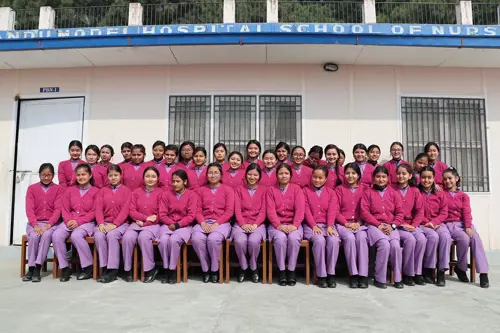
The quantitative shortage is compounded by a qualitative "brain drain." A significant portion of the most competent nursing graduates seek employment in developed nations such as the United Kingdom, North America, Australia, and New Zealand. This outflow is driven by a lack of effective local management strategies, low compensation, and a perceived ceiling on professional growth within the domestic system. Consequently, those who remain in the local workforce often find themselves in clinical environments where they are "treading water" to keep up with patient loads, leaving no time for the mentorship or supervision of the next generation.
This creates a self-perpetuating cycle: the lack of experienced mentors leads to "abandonment in the field" for students, who describe themselves as "ghosts" silently observing from the sidelines. The fear of being ill-prepared for professional practice is a recurring theme among graduates, who worry that their education has not sufficiently equipped them to provide safe and effective care. It is within this vacuum of clinical mentorship that private skill centers like Nurse Tech Skills find their primary mission. By offering "clinical weight" to a professional CV through competency-based workshops, such centers provide the bridge between graduation and international-standard practice.
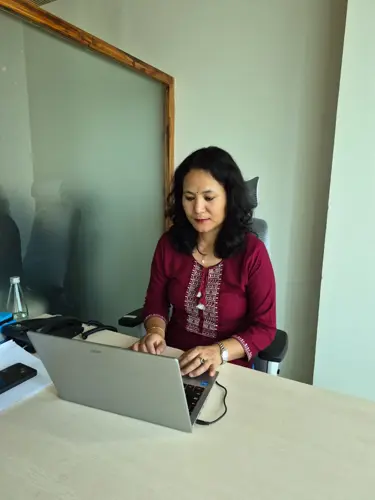
The founding of Nurse Tech Skills is a direct response to these pedagogical failures. The organization's leadership, specifically Founder and CEO Samiksha Maharjan Mahatara, brings over a decade of academic experience within the Nepalese nursing college system. This background is crucial; it suggests that the center’s curriculum is not merely based on perceived market needs but on a first-hand observation of the "practical gaps" in the current medical education system.
The institutional philosophy centers on the belief that "skilled nurses create safer patients". This nurse-led oversight is a distinguishing factor in a market where many technical colleges and hospitals are operated by non-technical investors who may prioritize administrative efficiency over clinical excellence. By positioning the organization as a "nurse-led" entity, NTSC ensures that its services—ranging from home care to corporate wellness—are designed with an intimate understanding of patient safety, ethical practice, and real-world clinical needs.
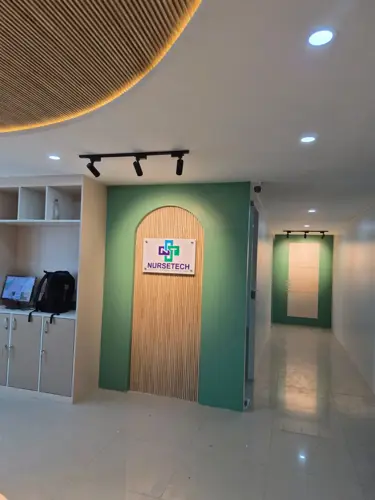
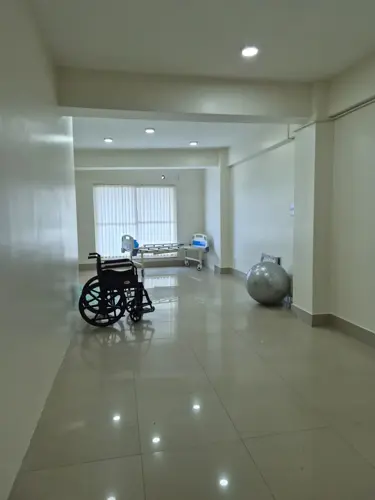
The acquisition and development of the physical office in Maharajgunj, Kathmandu, marks a significant milestone in the organization's growth. Located strategically near major medical hubs and the Australian Embassy, the facility serves as a centralized node for both training and service coordination. The transition from a conceptual entity to a physical training center within a two-month lease period demonstrates an aggressive push toward operational readiness.
The user's description of the facility as "nice" and "very nice" in regards to the autism practical room reflects a deliberate investment in a high-quality physical environment. In vocational training, the physical space is the primary "teacher." The existence of two dedicated classrooms allows for a bifurcated approach to learning: one space can be dedicated to theoretical foundations and the integration of digital learning materials, while the second serves as a simulation lab for hands-on technical practice. The user notes that there is "still more to do" to reach the ideal state, suggesting a phased implementation strategy where facilities are continuously upgraded to meet evolving international standards.
Perhaps the most significant aspect of the Maharajgunj facility is the autism practical room. Autism Spectrum Disorder (ASD) is a complex neurodevelopmental condition that remains widely misunderstood and under-served in the Nepalese healthcare system. Research indicates a severe lack of autism-specific training among healthcare professionals in Nepal, with many staff members feeling ill-prepared to manage the sensory and communication challenges associated with the disorder.
The autism practical room is designed to address these deficits through sensory-integrated training. Individuals with ASD often experience hypersensitivities to light, sound, and texture, which can make a standard hospital or clinic environment overwhelming. By providing a dedicated space that simulates these sensory environments, Nurse Tech Skills allows caregivers and nurses to practice "autism-friendly" interventions in a controlled setting. This includes learning how to follow a child's lead, using daily activities to foster social communication, and applying de-escalation strategies that avoid sensory overload.
The room also serves as a training ground for the World Health Organization's Caregiver Skills Training (CST), which focuses on empowering parents and facilitators in underserved communities. In a country where professional autism services are scarce, training parents to be the primary "interventionists" is a critical public health strategy. The practical room allows for the simulation of "block tower" activities, social play, and self-care strategies for the caregivers themselves, who often face high levels of stress and burnout.

The educational output of Nurse Tech Skills is divided into several high-demand verticals, each designed to meet a specific gap in the current market. These programs are not only intended for registered nurses but for a wider audience including students, school staff, and the general workforce.
The caregiver training program is affiliated with the Council for Technical Education and Vocational Training (CTEVT), which provides the necessary regulatory backing for participants to seek employment both locally and abroad. This program is particularly relevant for the "Kaigo" (caregiving) roles in Japan and similar positions in Europe and the Middle East. The curriculum focuses on the elderly and the chronically ill, emphasizing practical skills such as mobilization, hygiene, and basic medical monitoring.
The "clinical weight" of an NTSC certificate is a recurring theme in user feedback. For nursing graduates who feel their college education was too theoretical, these skill-based certifications provide the "hands-on competence" that makes a CV stand out in a competitive global market. This validates the center’s role as a secondary educational tier that polishes raw graduates into "work-ready" professionals.
Continuing Professional Development (CPD) is a global standard for nursing licensure, yet in Nepal, structured opportunities for such growth have been historically limited. Nurse Tech Skills provides CPD courses approved by the Nepal Nursing Council (NNC), which are essential for nurses to maintain their professional standing and stay abreast of evolving clinical protocols.
The importance of CPD cannot be overstated in an era where healthcare technology and evidence-based practices are in constant flux. By providing localized, accessible CPD, NTSC reduces the reliance on generic international webinars which may not address the specific resource constraints of the Nepalese clinical environment. This ensures that the training is not just academically sound but practically applicable in a local hospital setting.
Another innovative vertical is the maternal support training, which includes Nepal’s first structured Postpartum Doula course. Postpartum care in Nepal is often governed by deep-seated cultural traditions that, while supportive, may lack clinical oversight for modern complications. The doula course bridges this gap by training women to provide a mix of traditional support and professional clinical observation, addressing maternal and newborn outcomes through early detection of postpartum issues.
While clinical training is the core mission, Nurse Tech Skills has strategically diversified into the corporate wellness sector. This reflects a broader trend in Kathmandu’s business community, where the link between employee health and organizational productivity is increasingly recognized.
The Corporate Health and Wellness program addresses the rise of non-communicable diseases (NCDs) like hypertension and diabetes among the urban workforce. By conducting onsite health camps and "walk-in" screenings that take only 15-20 minutes per employee, the center provides a preventive healthcare layer that is often absent in the traditional curative model. This "culture of care" not only helps in the early detection of silent killers but also improves employee morale and reduces unplanned sick leave.
The workplace wellness workshops extend beyond basic screenings to include ergonomics, stress management, and mental health awareness. These initiatives are designed to minimize work disruption while maximizing long-term ROI for the partner organizations. This vertical demonstrates the organization's ability to translate nursing expertise into a commercial service that supports the broader economic health of the region.
The fragmentation of the Nepalese healthcare system often leaves a significant gap between hospital discharge and full recovery. Families are frequently left to manage complex medical needs—such as wound care, IV therapy, or post-surgical monitoring—without professional help. Nurse Tech Skills’ home health care services address this by offering supervised, nurse-led care plans based on professional medical assessments.
This service model differs from traditional "home help" by insisting on professional oversight. Every patient receives a customized care plan that considers their medical history and home environment. This level of professionalization is critical in ensuring patient safety and preventing the re-hospitalization that often occurs due to improper home care. It also provides a vital employment pathway for nurses who prefer the autonomy and patient-centered focus of home-based practice.
The user highlights that the organization has established a presence on Facebook, which serves as a vital bridge between the physical facility and the public. In a society where digital literacy is high among the youth and the professional class, social media is more than a marketing tool; it is a platform for health education and community building.
The use of digital platforms allows Nurse Tech Skills to disseminate information about upcoming workshops, share success stories (such as the "CV weight" testimonials), and provide basic health tips to a broad audience. This aligns with broader trends in Nepal where e-learning and digital interaction have become integral to the educational journey, especially following the disruptions caused by the COVID-19 pandemic. While the core of the center’s value lies in its "hands-on" training, its digital footprint ensures that it remains a visible and accessible resource for the healthcare community.
As Nurse Tech Skills navigates its early growth, the psychological concept of "thwarting hedonic adaptation" becomes highly relevant to its organizational sustainability. Hedonic adaptation is the tendency for individuals and teams to quickly return to a baseline level of happiness or satisfaction despite positive changes, such as leasing a new space or launching a new service. Without intervention, the initial elation of securing the Maharajgunj facility can fade, leading to a "hedonic treadmill" where the team becomes desensitized to their own milestones and starts chasing the "next big goal" without appreciating current impact.
The organization can combat this adaptation through "savoring"—the act of stepping outside an experience to review and appreciate it. By documenting the journey from a concept to a "nice physical office" and a specialized autism room within just two months, the leadership can help the team recognize the magnitude of their achievement. This practice of "replaying happy memories" or reliving the initial effort of the lease transition has been shown to sustain positive emotions long after the event.
The user's observation that there is "still more to do" reflects a healthy ambition, but the Hedonic Adaptation Prevention (HAP) model warns against becoming "happy-when" people—those who believe they will only be satisfied once the next classroom is finished or the next profit goal is met. Thwarting this adaptation requires focusing on the process rather than just the destination. For Nurse Tech Skills, this means finding joy in the daily clinical transformations in the autism room rather than waiting for a fully completed campus to feel "successful."
One of the most effective ways to slow adaptation is through "variety" in intentional activities. The center’s diverse service portfolio—ranging from Postpartum Doula courses to Corporate Wellness camps—naturally prevents the "routine stagnation" that accelerates hedonic adaptation. Furthermore, by rooting the company in a social mission where "profit is secondary," the leadership taps into intrinsic motivation. Research suggests that meaning-driven pursuits (eudaimonia) are much more resistant to hedonic adaptation than pleasure-driven or purely material ones. Believing that one's life and work have a greater purpose, such as improving patient safety in Nepal, provides a "gratification" that has a more long-lasting impact on the team's emotional baseline than financial gain alone.
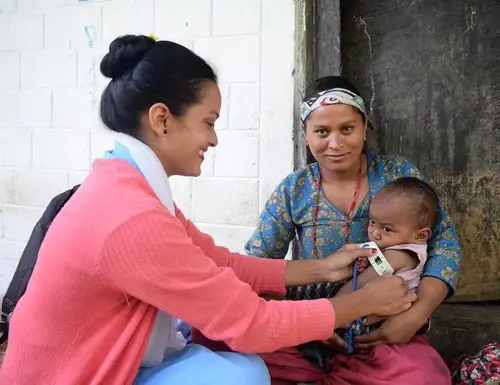
One of the most compelling aspects of the user's query is the assertion that "profit is our secondary goal." This philosophy is a direct counter-narrative to the "massive increase in the privatization of nursing education" in Nepal, which has been criticized for transforming a service business into a "huge monetary game".
The unhealthy competition among private investors has occasionally led to the creation of institutions that lack the necessary expertise to run technical programs. When non-technical people manage hospitals or colleges, the primary casualty is often the quality of education and, by extension, patient safety. Nurse Tech Skills’ commitment to a nurse-led, socially-conscious model serves as a quality-control mechanism. By reinvesting in specialized spaces like the autism room and high-standard classrooms, the organization demonstrates that its "success" is measured in clinical outcomes and the professional competence of its trainees, rather than just the bottom line.
This model of "ethical commercialization" is essential for the long-term sustainability of the Nepalese health sector. It provides a blueprint for how private enterprises can support national health goals—such as the production of "technical and skillful human resources" mandated by CTEVT—without succumbing to the predatory practices of purely commercial actors.
Despite its successful launch and rapid infrastructure development, Nurse Tech Skills faces several challenges common to the Nepalese vocational sector. The user mentions that there is "still more to do" to be a "nice company," which likely refers to the ongoing need for advanced equipment, international accreditation, and the continuous refinement of the curriculum.
The alignment with both CTEVT and the Nepal Nursing Council requires a constant focus on quality assurance and administrative compliance. As the center expands its course offerings, maintaining the "clinical weight" of its certifications will require ongoing validation from these governing bodies. Furthermore, as the organization eyes the international market (preparing nurses for the UK, Australia, etc.), it must ensure its training modules meet the specific standards of those foreign nursing boards.
With only two classrooms and a single facility in Maharajgunj, the immediate reach of the center is limited. However, the potential for scaling is significant. The "train-the-trainer" model used in the autism programs provides a mechanism for geographical expansion. By training facilitators who can then return to their home districts (outside the Bagmati Province), Nurse Tech Skills can have a ripple effect on the healthcare standards across the country.
While the current focus is on physical practical rooms, the future of nursing education lies in a hybrid model. Research into Nepalese nursing students' attitudes toward e-learning shows a desire for digital flexibility, provided that it is "supplemented with programs that can enhance practical learning abilities". Nurse Tech Skills is well-positioned to develop such a model, using its physical center for intensive skill labs and its digital presence for the theoretical components of its courses.
The establishment of Nurse Tech Skills represents a sophisticated response to the structural weaknesses of the Nepalese nursing education system. In the two months since leasing its physical space in Maharajgunj, the organization has moved beyond the "startup" phase to become a functional hub for clinical excellence. The "nice" physical office and "very nice" autism practical room are physical manifestations of an underlying commitment to specialized, high-quality pedagogy.
By prioritizing clinical weight, nurse-led supervision, and social impact over pure profit, NTSC addresses the "compromised learning" environment that has long characterized the sector. It provides a sanctuary for students who feel like "ghosts" in the hospital wards and a launchpad for professionals seeking to meet international standards. The center’s diversification into corporate wellness and home health care further integrates it into the broader community, moving the needle of healthcare from reactive treatment to proactive prevention.
In conclusion, Nurse Tech Skills is not merely a training center but a vital intermediary that translates academic theory into life-saving skill. By incorporating strategies to thwart hedonic adaptation—such as savoring milestones and maintaining a variety of meaning-driven goals—the leadership can ensure that the initial passion of the "two-month lease" translates into a permanent, high-engagement culture. As it continues to develop its classrooms and refine its specialized care rooms, it will likely serve as a benchmark for how private vocational institutions can meaningfully contribute to the health and prosperity of Nepal. Through continued adherence to its "profit as secondary" mission, the center can ensure that its primary legacy is a safer, more skilled, and more resilient healthcare system for all.

Nepal’s premier nurse-led center for professional healthcare training, supervised home nursing, and comprehensive corporate wellness solutions.
Copyright ©Nurse Tech Skills. Powered by onetech®

